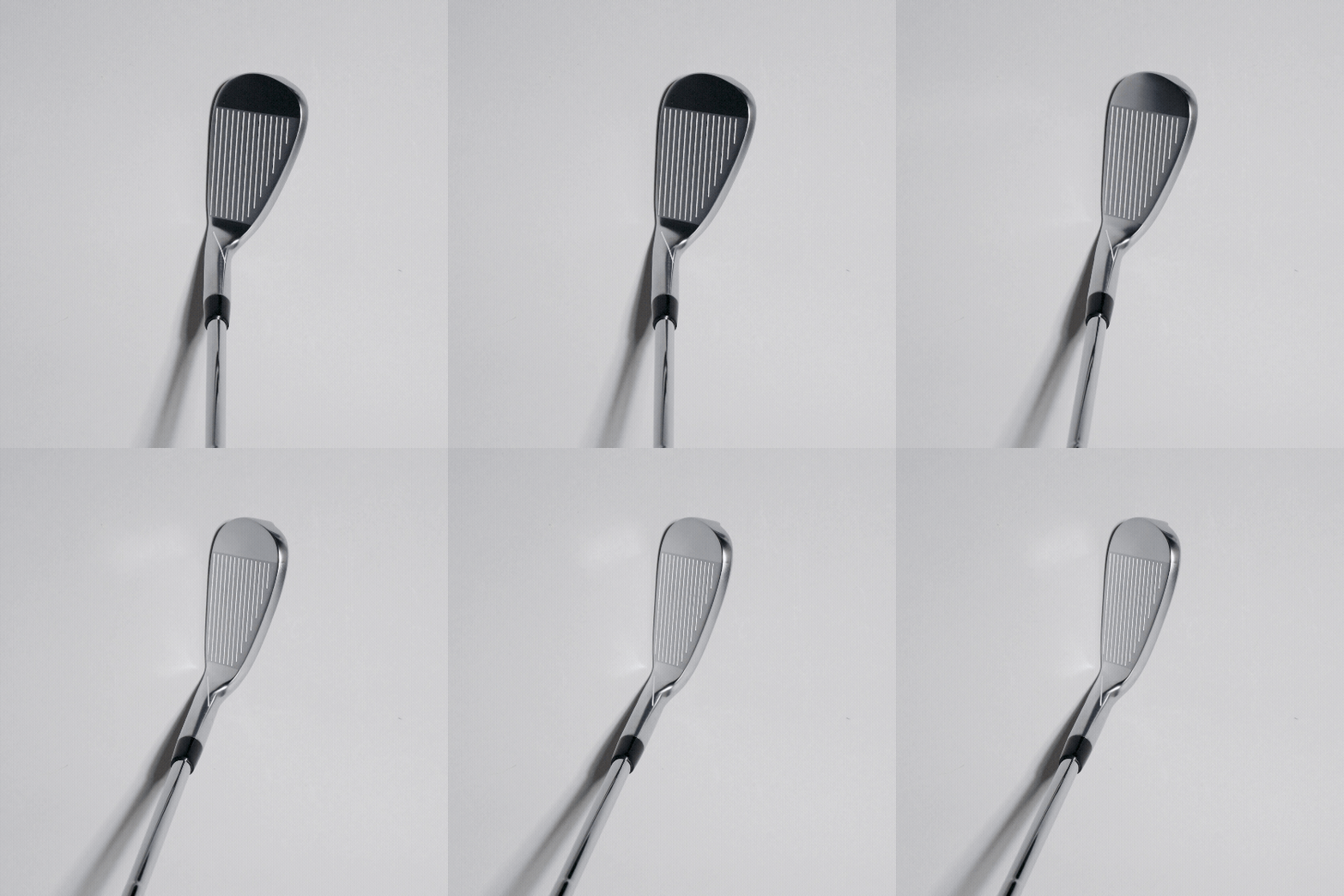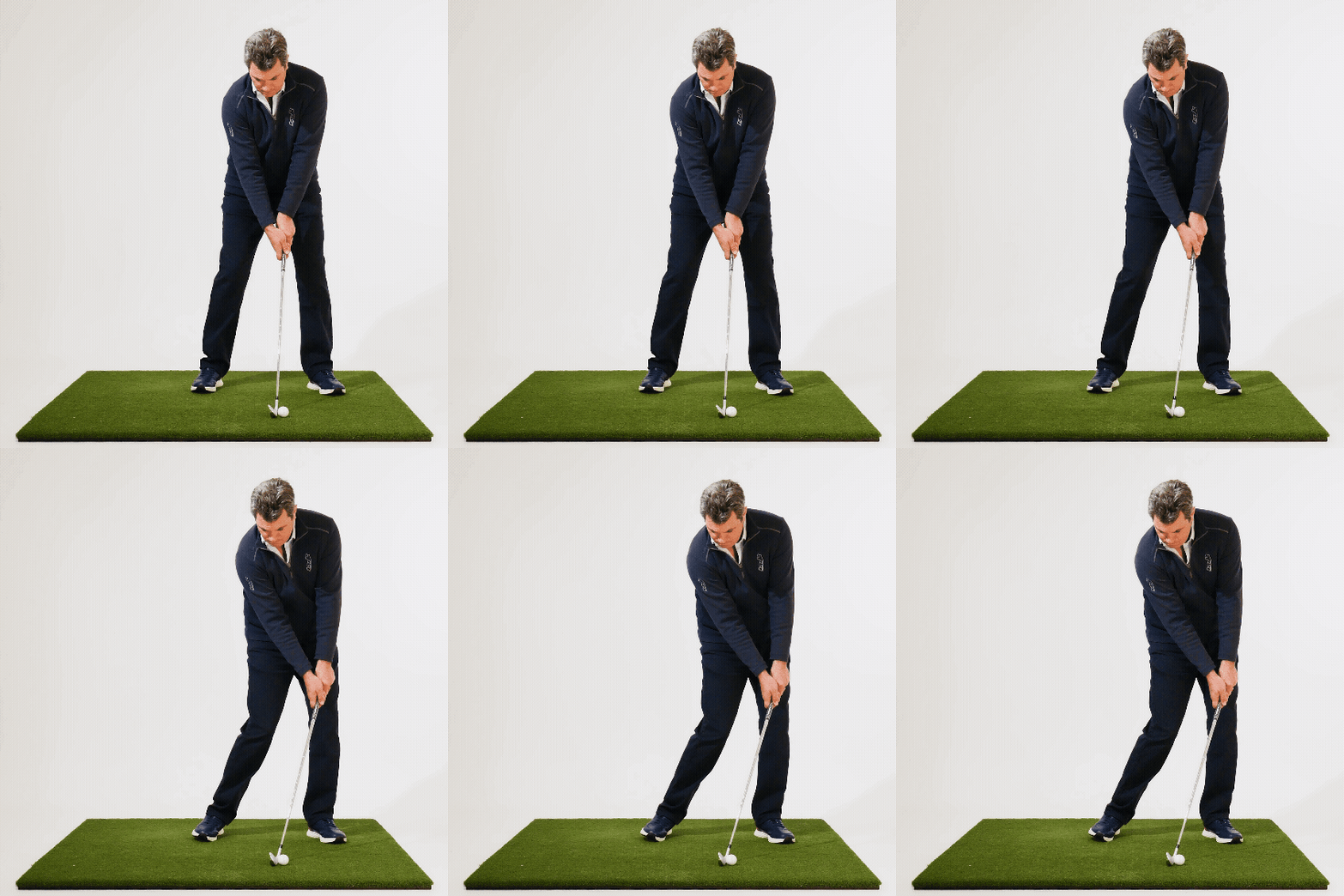
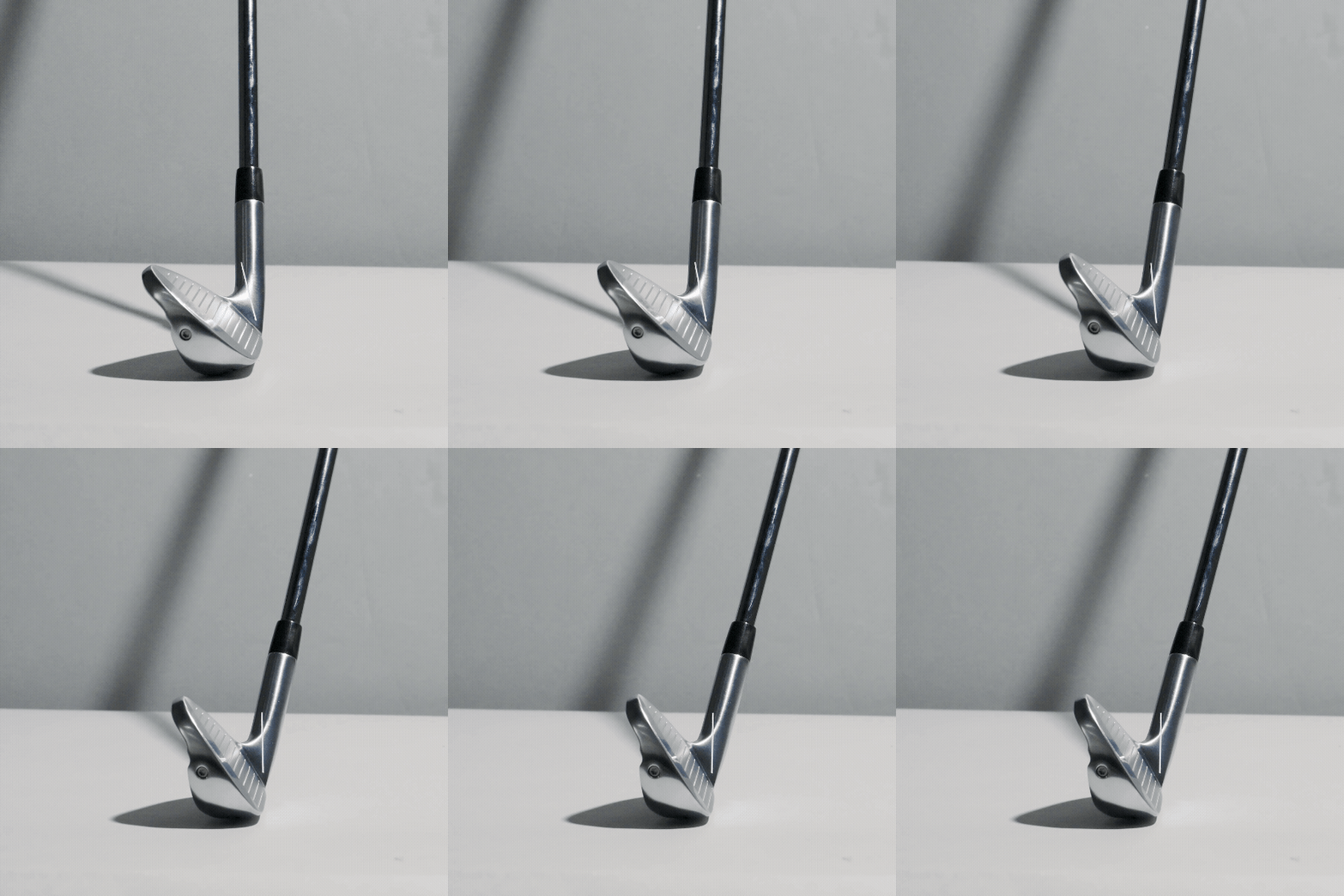
To achieve this position it’s important that you don’t push your arms and hands forwards independently of your body. That would be what’s termed as a “handle drag”. You rehearse reaching the optimal impact position by placing 90% of your weight on your lead leg. This requires you to shift your pelvis laterally towards the target while rotating your hips and leaning the handle forwards and de-lofting the club face, so that the impact line points to your eyes. This ensures your weight transfer and hip and torso rotation (your pivot) lead the movement of the handle through the impact area.
It’s important to toggle between your set up position and impact position to develop a feeling of moving seamlessly from set up through impact.
To begin the process of developing an optimal movement pattern, make some practice swings starting from the Impact Position by having your weight on your lead leg, with your hips rotated towards the target, and the handle forwards with the impact line pointing towards your eyes. Make a quarter length backswing leaving your weight on your lead leg and develop a feeling of how your hands, wrists and arms move the club from the optimal impact position into the delivery position (P6) where the shaft is parallel to the ground. Then move them back into the impact position.
It is critical to understand and develop a feeling for how your hands, wrists and arms move the club into impact. If you do this drill without a ball, but mark on the ground the position the ball would be in, you can start practicing making contact with the ground on the target side of the marker, so you develop a movement pattern that strikes the ball first then the ground.
This is the essence of learning to become a more consistent ball striker. It all starts with educating your hands, wrists and arms, while getting your weight into your lead side. Once this movement becomes familiar, rehearse delivering the club into the same impact position with longer backswings.
So, rather than spending hours building a backswing and hoping for a good impact, focus your attention on the impact line and getting your weight into your lead side, so you develop a movement pattern that reliably delivers optimal impact conditions.
It’s very simple, the impact line is an alignment marker on the hosel of the club head. It empowers you to locate the forward handle position and de-lofted square club face required to "sustain the line of compression", which is what Homer Kelley, the author of the seminal book "The Golfing Machine", stated was “The Secret of Golf".
Reaching the forward handle position and club face orientation that the impact line promotes, ensures you maintain control over the handle until after the ball has been struck. You achieve this by leaning the handle forwards until the impact line is aligned with the leading groove on the club face and both the leading groove and the impact line point to your eyes.